Integrating Luxury and Safety in Aging-in-Place Bathrooms
Creating a bathroom that evokes the serenity of a luxury spa while ensuring safety for all life stages requires careful planning. Homeowners can achieve both glamour and practicality through accessible design principles. This approach transforms bathrooms into spaces that enhance daily life with style and security, regardless of budget constraints.
Aesthetic Appeal with Functional Design
Effective aging-in-place bathrooms merge sophisticated visuals with subtle safety enhancements. Materials such as marble, brass fixtures, and custom lighting coexist seamlessly with supportive elements like adjustable showerheads and barrier-free entries. Modern universal design products maintain an upscale appearance, ensuring that accessibility remains unobtrusive to visitors.
Selecting Materials for Indulgence and Security
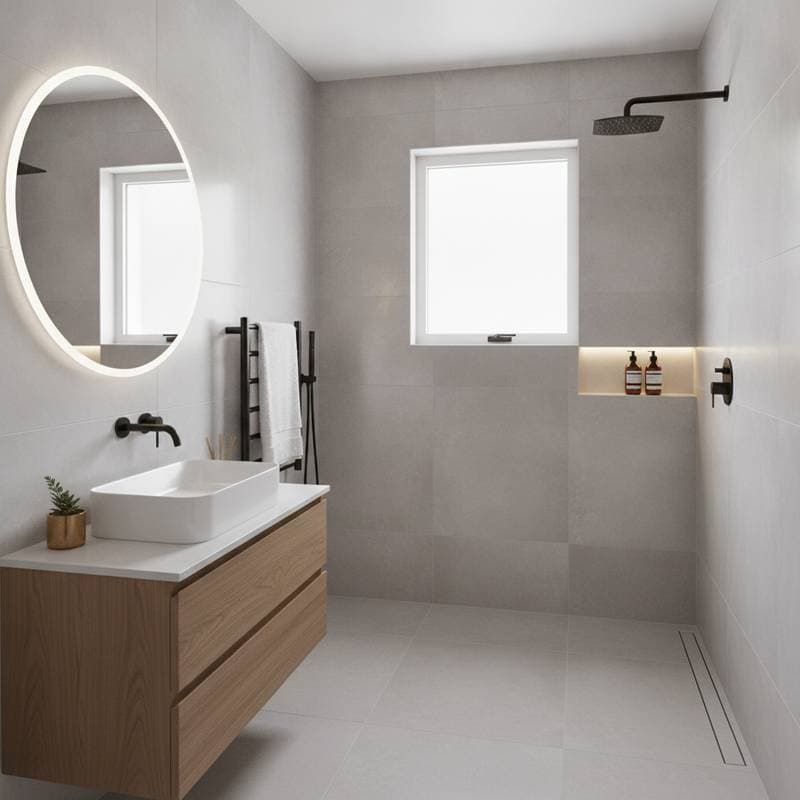
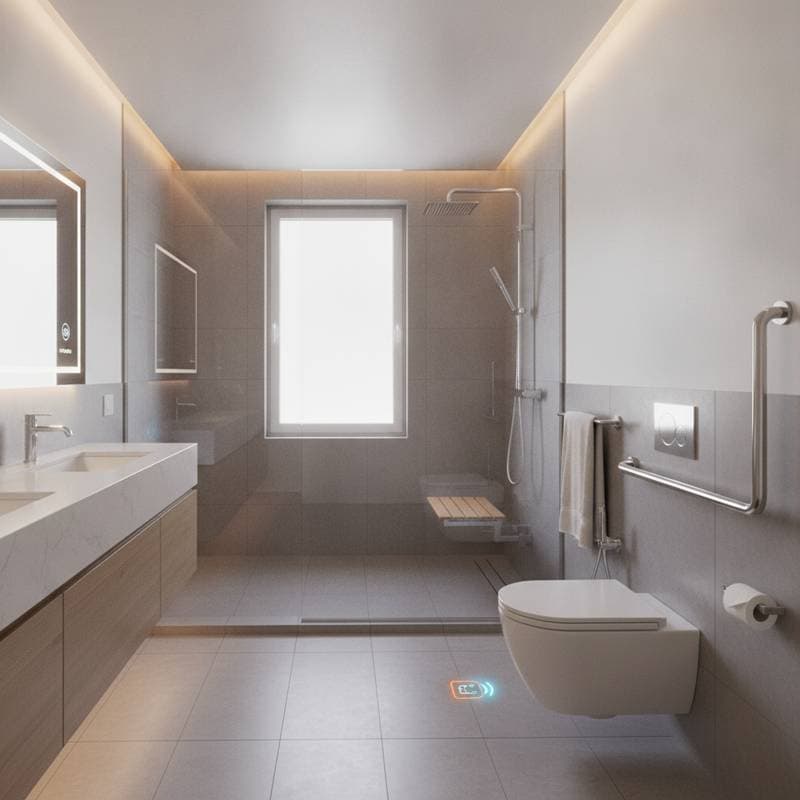
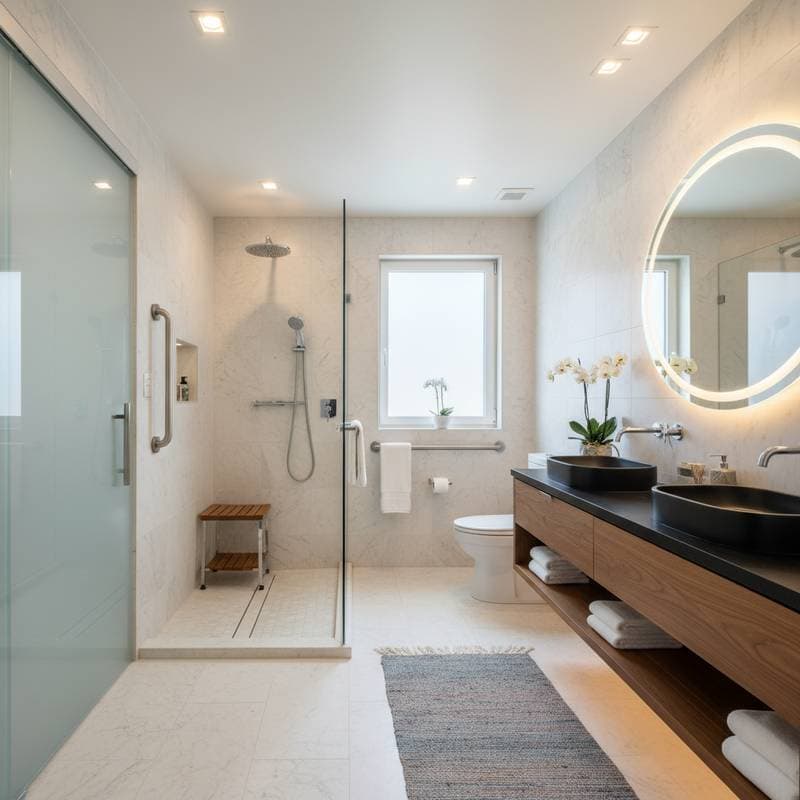
Opt for materials that deliver sensory pleasure alongside practical benefits. Textured porcelain tiles replicate the look of marble while providing superior slip resistance. Quartz countertops offer a refined surface that resists stains and simplifies maintenance. A curbless shower with continuous flooring creates an uninterrupted, spa-inspired expanse. Linear drains enhance this openness by facilitating efficient water flow and reducing slip hazards.
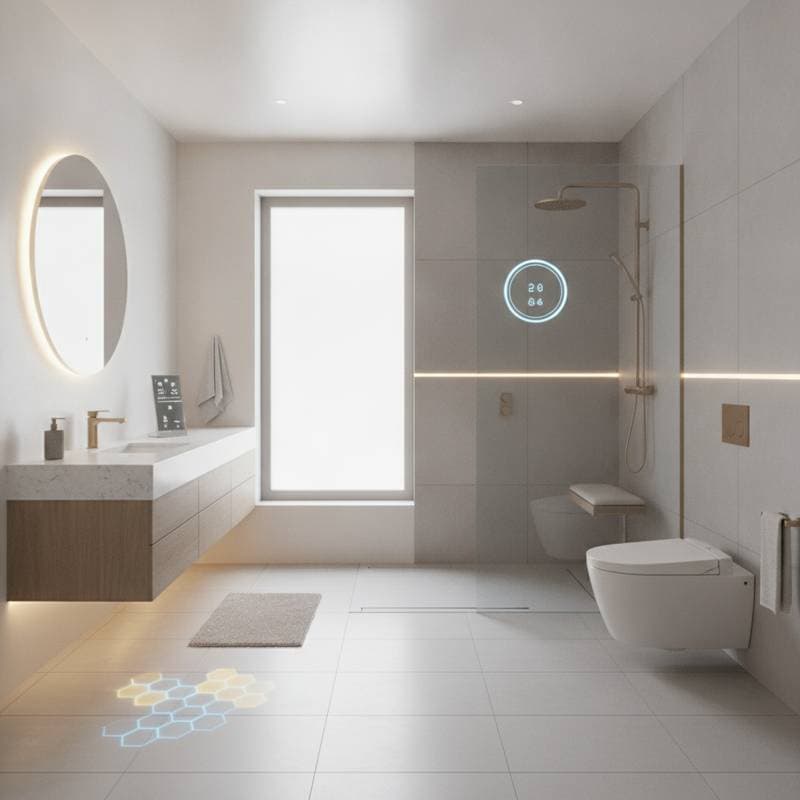
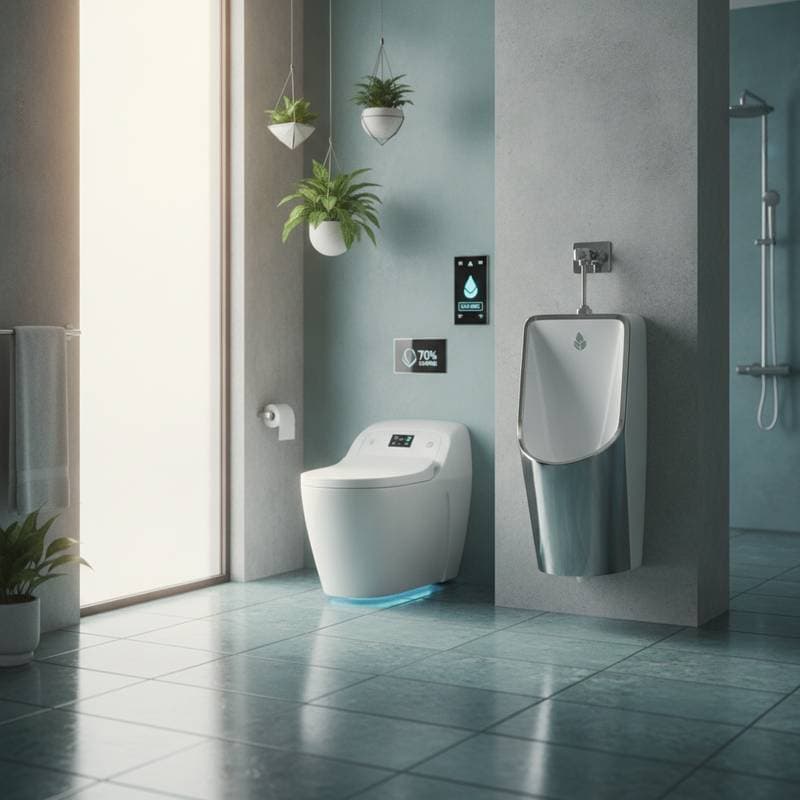
Layered lighting elevates both ambiance and usability. Recessed LED ceiling fixtures provide even illumination. Wall-mounted sconces deliver flattering light for grooming tasks. Motion-sensor toe-kick lights activate automatically during nighttime use, preventing disorientation. These elements combine elegance with essential guidance.
Enhancing Mobility Through Thoughtful Styling
Aging-in-place design prioritizes fluid movement and ease of use in every detail. Fixtures and layouts accommodate varying mobility levels without compromising visual appeal. This foresight allows the space to serve multiple generations effectively.
Curbless Showers as Spa Sanctuaries
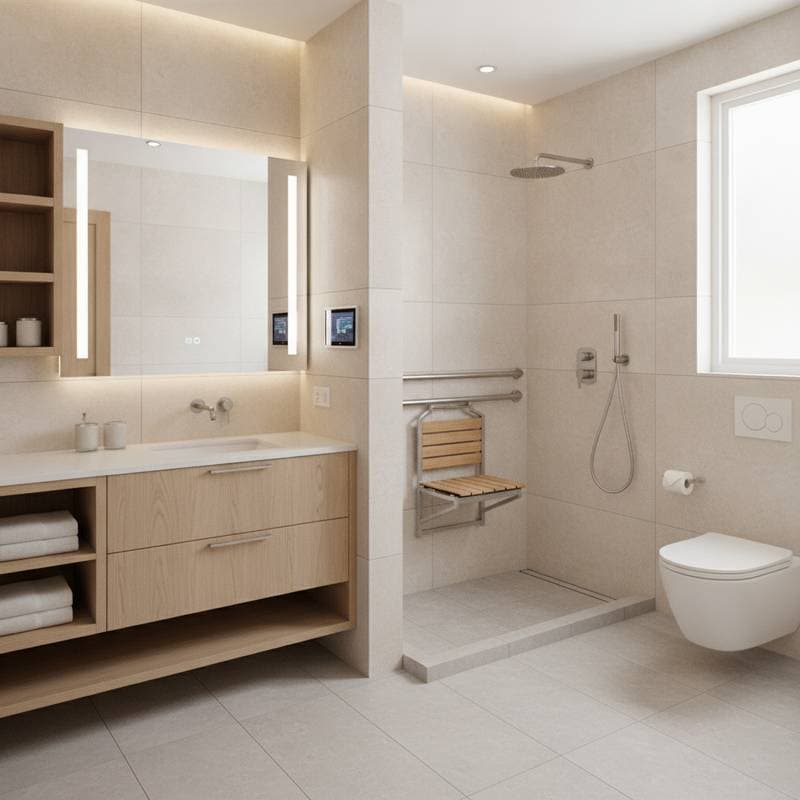
A zero-threshold shower updates the bathroom's profile while promoting accessibility. Incorporate a built-in bench and a slide-bar hand shower for versatile bathing options. Decorative grab bars, resembling artistic towel holders, integrate effortlessly; available in finishes like brushed gold or matte black, they complement high-end hardware.
Elevate the experience with a rainfall showerhead for immersive showers and a handheld sprayer for targeted rinsing. This setup supports standing, seated, or assisted routines. Brands such as Moen, Delta, and Kohler provide reliable mid-range options that balance aesthetics and performance.
Walk-in tubs offer another avenue for relaxation. Select models with wide openings and therapeutic features like chromatherapy lights or air jets. For more modest investments, a deep soaking tub equipped with a robust grab bar and non-slip base delivers comparable benefits.
Achieving High-End Results Across Budgets
Luxurious, accessible bathrooms remain attainable through strategic choices. Tailor selections to financial parameters while preserving quality and cohesion.
Low-Budget Strategies:
- Install peel-and-stick grab bars suitable for rentals or limited funds.
- Apply textured bath mats or adhesive strips in moisture-prone areas.
- Use battery-operated motion-activated lights to illuminate pathways at night.
Moderate-Budget Enhancements:
- Upgrade to lever-style faucets for simpler operation.
- Select comfort-height toilets with soft-close mechanisms.
- Add a handheld showerhead with an adjustable mount.
Higher-Budget Investments:
- Construct a curbless shower using custom tiles.
- Install thermostatic valves to maintain consistent water temperatures.
- Incorporate radiant floor heating to eliminate cold surfaces.
Each tier contributes to a cohesive environment that prioritizes safety, comfort, and visual harmony.
Insights from Professional Transformations
Experience in high-stakes projects, such as television renovations, underscores the value of efficient, impactful solutions. These settings demand rapid changes that deliver both visual drama and functional reliability. Such expertise translates directly to residential designs, emphasizing adaptability under constraints.
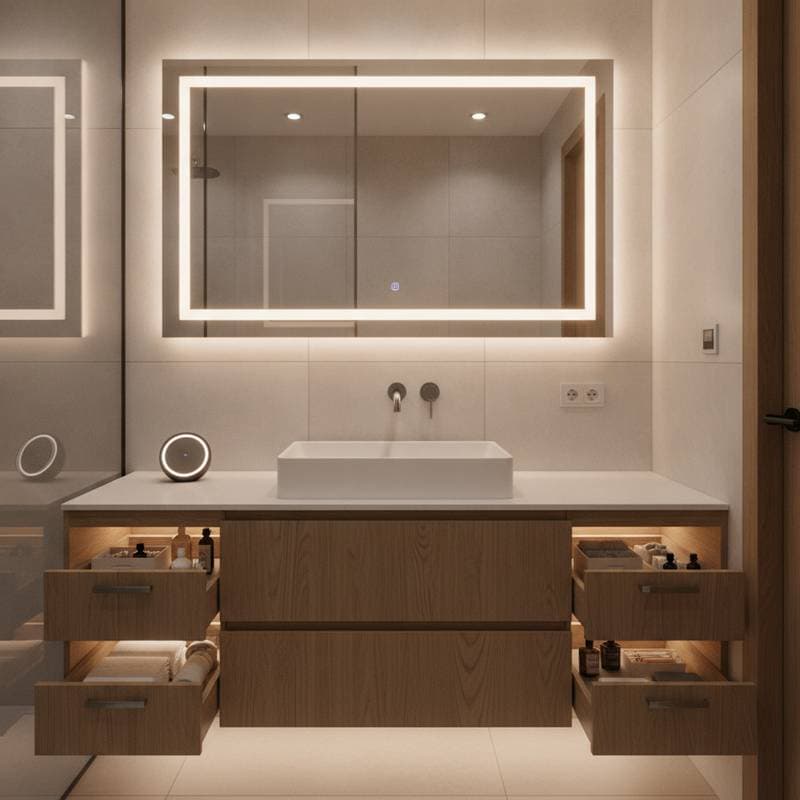
Common adaptations include retrofitting tubs with bi-swing glass doors for unrestricted entry. Wall-mounted vanities provide legroom for wheelchair access while retaining a streamlined silhouette. These modifications prove versatile for diverse scenarios, from media productions to everyday homes.
Fostering Innovation in Accessible Design
Progress in aging-in-place solutions often emerges from designers addressing real-world challenges. Collaborations with manufacturers refine products for optimal usability and market appeal. Professionals can explore partnerships with local creators to develop bespoke elements, such as adjustable vanity systems or grab bars in contemporary finishes.
Adapting Spaces for Evolving Needs
The hallmark of a successful bathroom design lies in its ability to evolve with users. Select elements that integrate naturally into routines, avoiding an institutional feel. Finishes should inspire delight, lighting enhance well-being, and fixtures streamline tasks.
Regularly assess usage patterns to refine the space. A built-in bench might serve as a respite area, while a grab bar could function dually as storage until additional support becomes necessary. This bathroom ultimately affirms independence, blending opulence with practicality to support dignified living at every age.