Future-Proof Kitchens: Induction Gas-Free Upgrades for 2026
Planning a kitchen remodel requires decisions that extend beyond personal taste. Municipalities nationwide implement gas restrictions for new constructions and renovations, while electrical standards evolve rapidly. As a contractor experienced with numerous kitchen transitions, observe that the transition to gas-free cooking represents a lasting evolution influencing safety, efficiency, and property worth.
Induction cooking now provides a dependable, high-performance option endorsed by experts and residents. Transitioning from gas to induction demands more than appliance replacement. It involves electrical preparation, spatial reconfiguration, and comprehension of the involved technologies.
Reasons Homeowners Shift from Gas
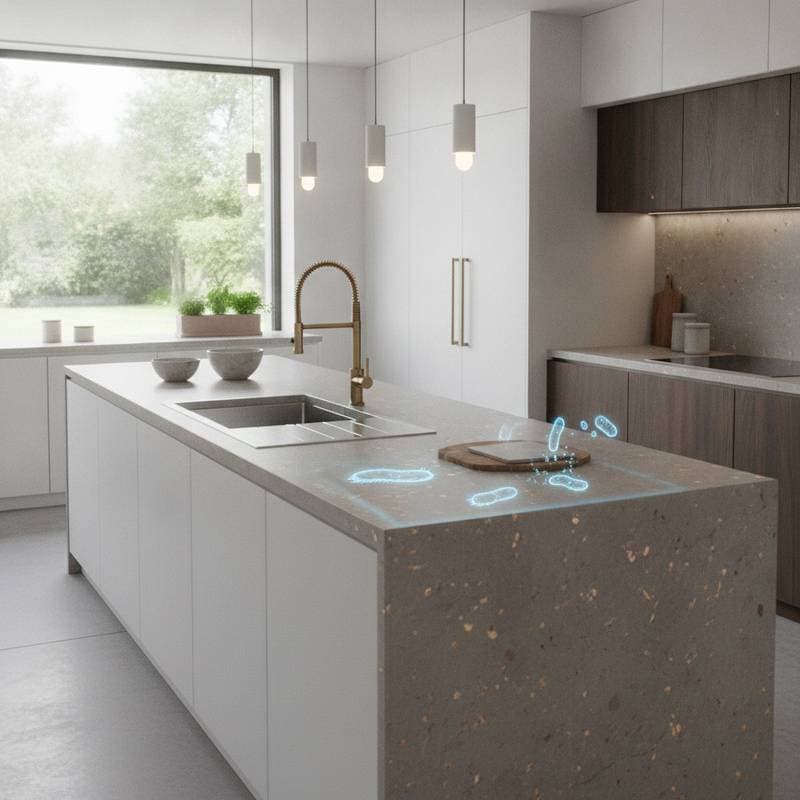
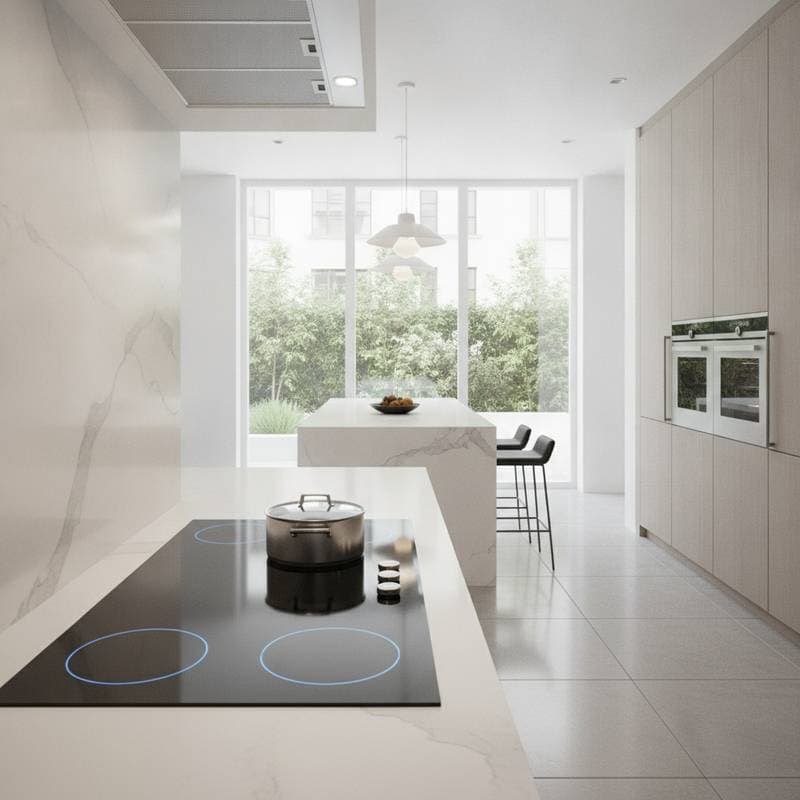
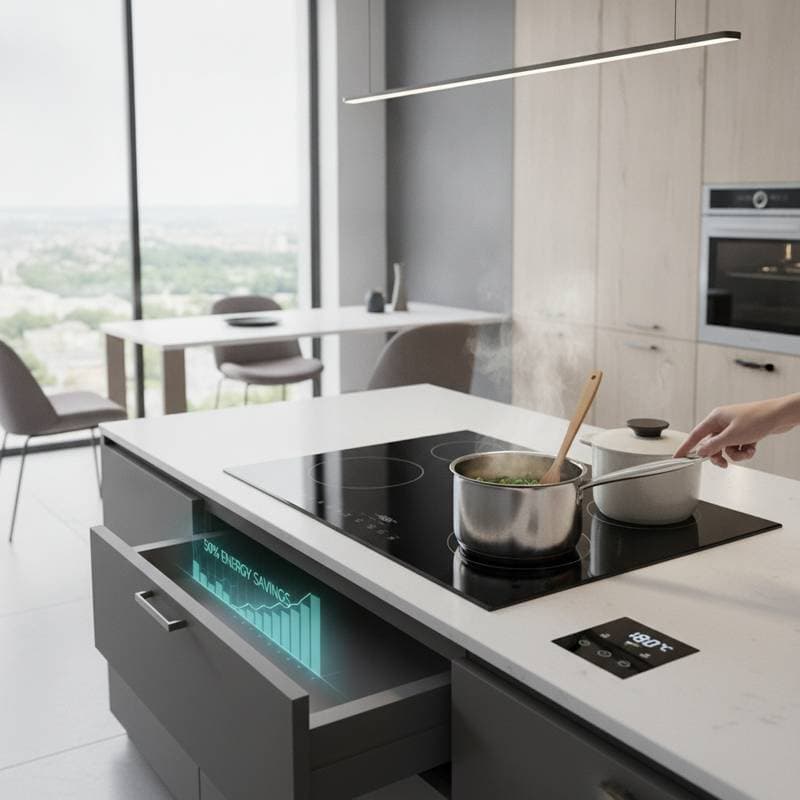
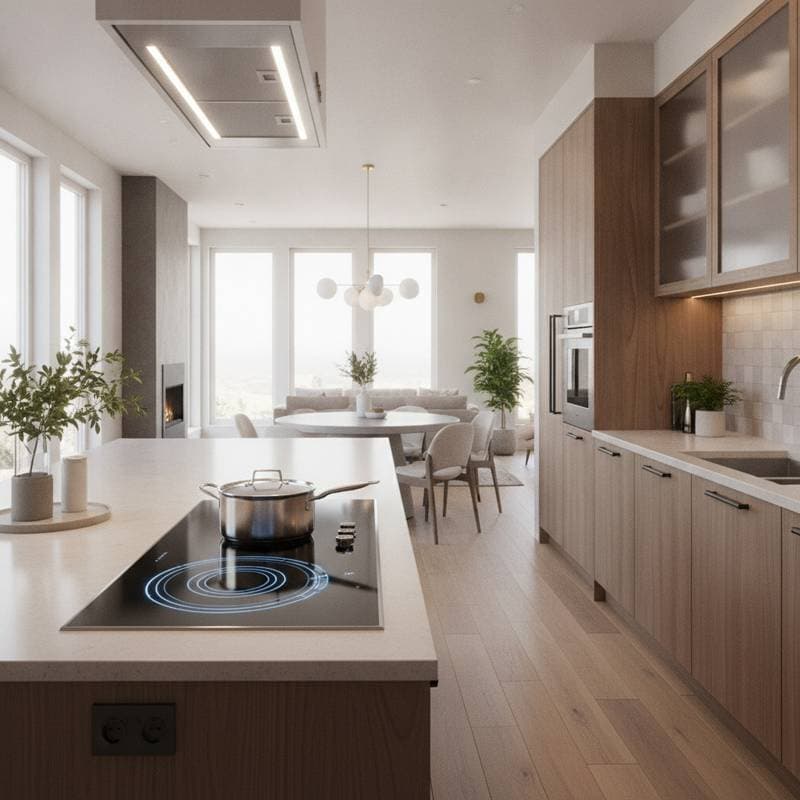
Efforts to remove gas from kitchens originate in energy regulations and sustainability objectives, yet advantages surpass mere adherence. Gas stoves emit nitrogen dioxide and additional contaminants impacting indoor air quality. They depend on fossil fuel systems that grow costlier and less appealing. Induction setups function via electricity, heating cookware directly for quicker reactions, reduced kitchen temperatures, and absence of open flames.
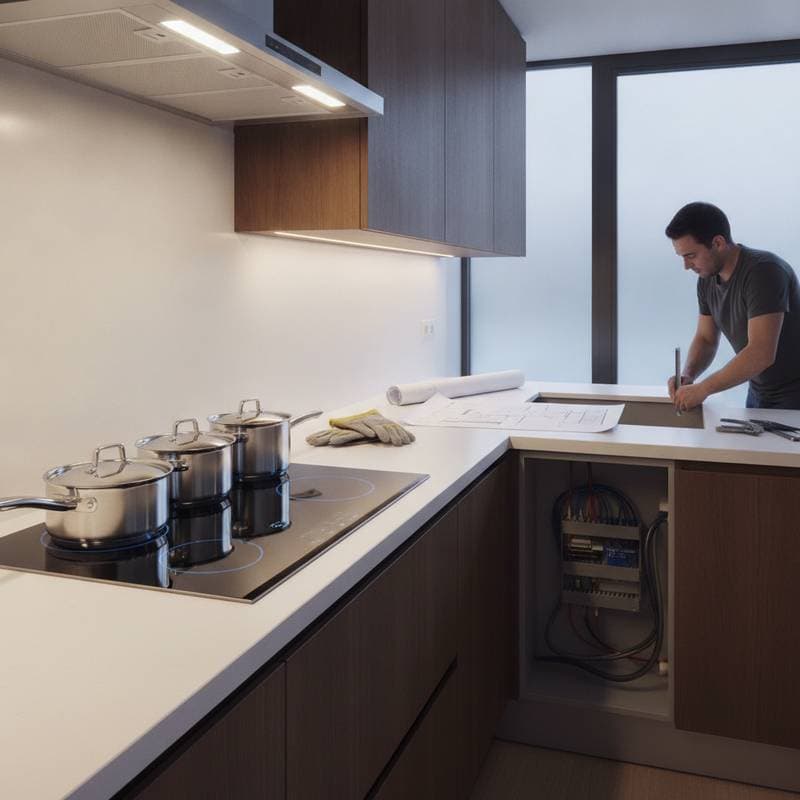
Contractors note the primary alteration lies in power sources. Gas connections receive caps, and electrical panels frequently require enhancements to manage increased demands. Property owners who anticipate this shift realize savings and avoid complications.
Frequent Errors in Induction Conversions
Property owners often undervalue the complexities of gas-to-induction changes. Projects delay when electrical capacity proves insufficient or when contractors overlook early electrician involvement. The following list details prevalent issues observed in practice.
-
Overlooking Electrical Capacity
Induction cooktops demand a dedicated 240-volt circuit, typically rated at 40 or 50 amps. Homes built decades ago seldom possess adequate reserve. Engage a licensed electrician to inspect the primary panel and service capacity prior to appliance selection. This precaution averts expensive corrections. -
Bypassing Ventilation Improvements
Induction generates minimal heat and emissions, yet effective ventilation remains essential. Steam, grease particles, and aromas require expulsion from the residence. Recirculating hoods may lack sufficient strength for expansive cooktops. Specify a ducted range hood aligned with the updated configuration. -
Disregarding Cookware Suitability
Induction necessitates ferromagnetic pots and pans. Cast iron and specific stainless steel varieties function well, whereas pure copper or aluminum demands specialized bases. Residents frequently encounter unexpected failures with cherished items. Verify existing pieces using a magnet test before finalizing purchases. -
Ignoring Countertop Modifications
Induction units feature unique dimensions differing from gas models. Adjacent surfaces may require resizing to accommodate. Such discoveries during assembly lead to disruptions. -
Omitting Provisions for Additional Appliances
Adopting electric cooking prompts consideration of future electrical needs. Integrated ovens, warming units, and advanced dishwashers consume significant power. Scale the panel for expanded use to eliminate incremental modifications.
Procedures for Seamless Gas-Free Kitchen Transitions
Guiding clients through remodels, treat induction shifts as integrated systems rather than isolated changes. Proceed methodically with thorough records.
-
Assess Current Infrastructure
Conduct comprehensive electrical evaluations covering panel limits, available circuits, and wiring integrity. Services below 200 amps might necessitate expansion to accommodate various power-intensive devices. -
Collaborate with Certified Professionals
Electrical tasks in induction projects must comply with regulations. Unqualified workers risk invalidating policies and introducing dangers. Confirm qualifications and secure evidence of insurance coverage. -
Integrate Design with Electrical Planning
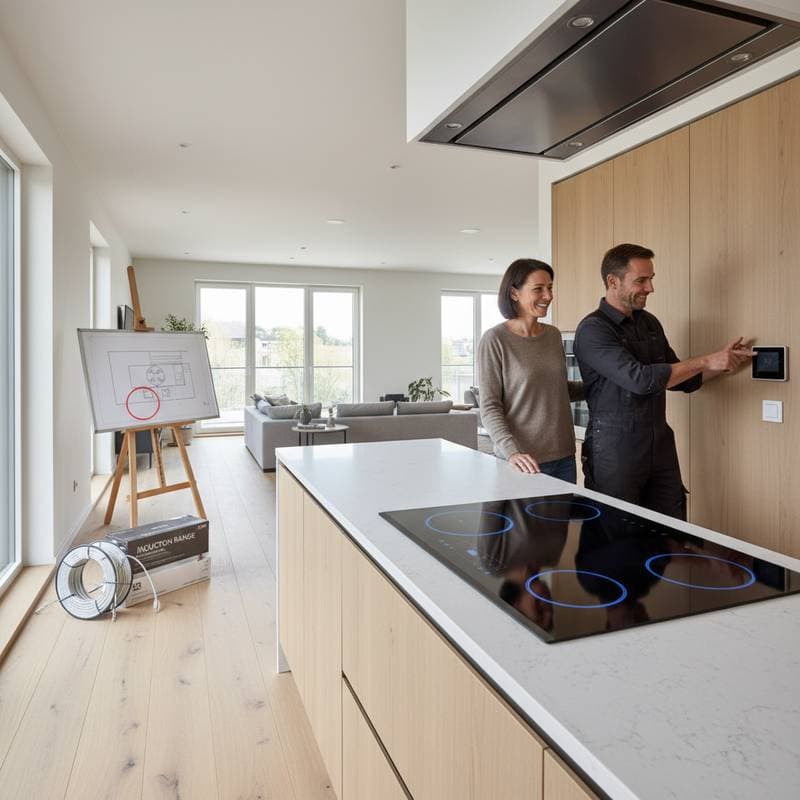
Positions of appliances influence cable paths, breaker placements, and exhaust systems. Early alignment among designers, electricians, and builders streamlines execution. Mandate a preparatory conference involving all specialists. -
Choose Appropriate Induction Components
Induction models vary in capabilities, from adaptable zones to built-in extraction. Select units suited to culinary habits and spatial constraints. Examine installation manuals meticulously prior to procurement. -
Enhance Ventilation Strategically
Air circulation holds importance in electric environments. Align hood power with cooktop scale and minimize duct lengths. For internal venting, opt for premium recirculating models with serviceable filters. -
Record All Modifications
Maintain files of approvals, verifications, and device details. These records aid in property transactions or claims. They also safeguard against evolving local requirements.
Expenses and Benefits Analysis
Initial costs for gas-to-induction transitions appear substantial, but enduring returns justify the investment. Primary expenditures involve electrical enhancements and fresh equipment. Conversions typically range from several thousand dollars based on existing conditions. Energy reductions and elevated market appeal often offset these outlays.
Professionals recognize that contemporary electric kitchens simplify upkeep and enhance security. Eliminate risks from ignition sources, leaks, or burning processes. Prospective buyers favor properties aligned with emerging efficiency norms, shielding owners from subsequent adaptations.
Insights from Contractors for Homeowners
Experienced in diverse projects, contractors emphasize that induction upgrades preserve cooking efficacy while advancing durability. Involve specialists promptly and prioritize foundational improvements for predictable outcomes. Viewing the change as mere substitution invites setbacks.
Skilled professionals appreciate proactive clients. Inquire about cabling, airflow, and demand estimates. Insist on detailed proposals encompassing essential enhancements. Foster ongoing discussions regarding budgets and timelines to prevent misunderstandings.
Safeguarding Your Induction Kitchen
Post-installation, sustain the setup through routine care and operational knowledge. Clean hood filters regularly. Monitor breakers for overload indicators. Adhere to producer directives for utensils and surface maintenance, as induction tops resist scratches from harsh materials.
For subsequent home improvements, inform electricians of the induction configuration. Accurate markings and files ensure safe, effective future interventions.
Adopting an induction, gas-free kitchen transcends regulatory compliance. It fosters a secure, hygienic, and versatile living space. Proper execution yields superior functionality, diminished upkeep, and sustained worth.