Why Soundproofing Enhances Remote Work Concentration
Remote work offers flexibility, comfort, and environmental control. However, noise from children playing, dogs barking, or nearby construction disrupts productivity. Effective soundproofing creates a supportive workspace that minimizes distractions and promotes mental clarity.
The Impact of Sound on Concentration
Sound waves propagate through air and solid structures, reflecting off walls and penetrating gaps. These echoes and vibrations divert attention and elevate stress. Research indicates that moderate background noise impairs focus and increases cognitive load. By mitigating these intrusions, individuals experience reduced tension and improved task performance.
Achieving acoustic balance requires no excessive expenditure. Solutions range from inexpensive adjustments to substantial investments. The following sections outline practical strategies tailored to different budgets.
Inexpensive Soundproofing Strategies
Begin with simple modifications that yield noticeable results without significant cost.
1. Seal Entry Points
Noise enters through cracks around doors and windows. Apply weatherstripping tape or install a door sweep to create airtight seals. These items, available for less than $20 at local suppliers, effectively reduce sound transmission by up to 50 percent in many cases.
2. Incorporate Absorbent Materials
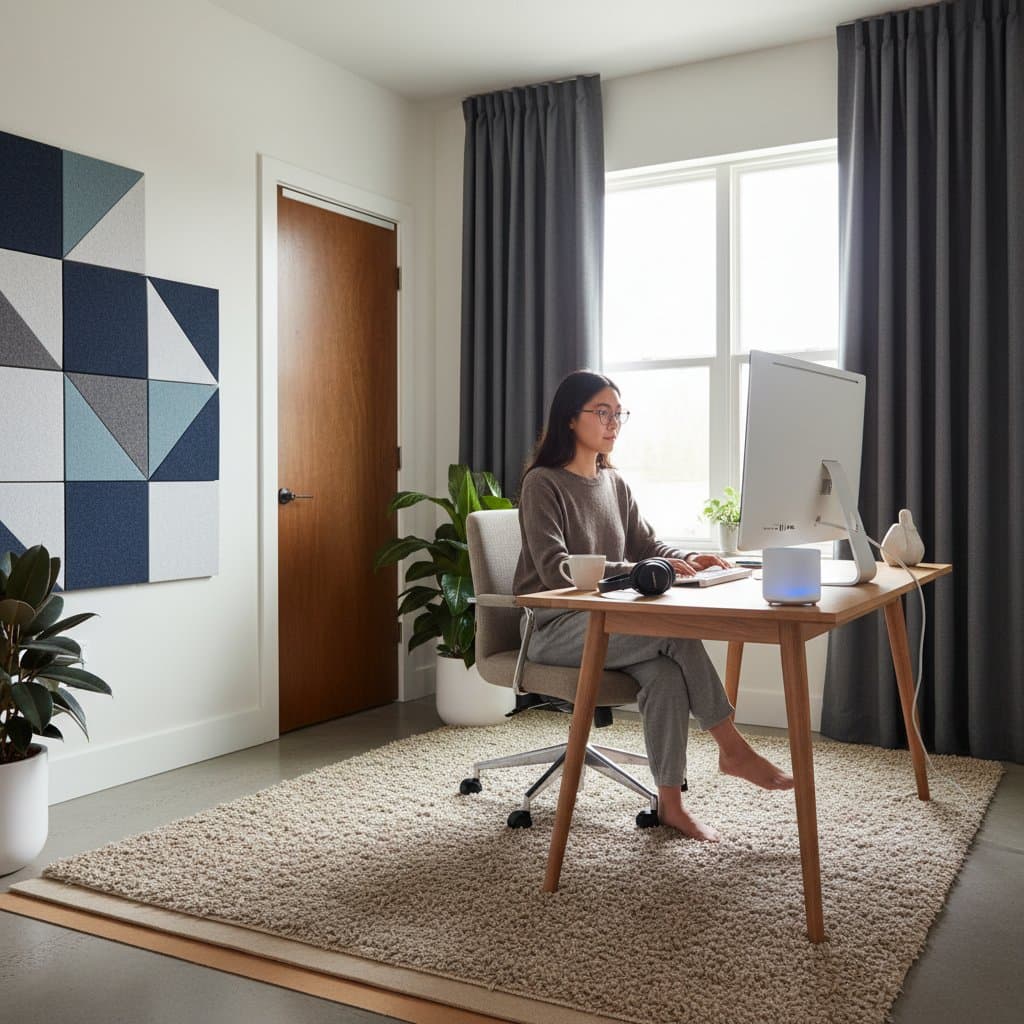
Hard surfaces amplify echoes, while soft elements dampen them. Place a dense area rug on the floor, hang fabric curtains over windows, or position upholstered furniture strategically. For those in rental properties, use tension-mounted curtain rods to avoid permanent alterations.
3. Construct Homemade Acoustic Panels
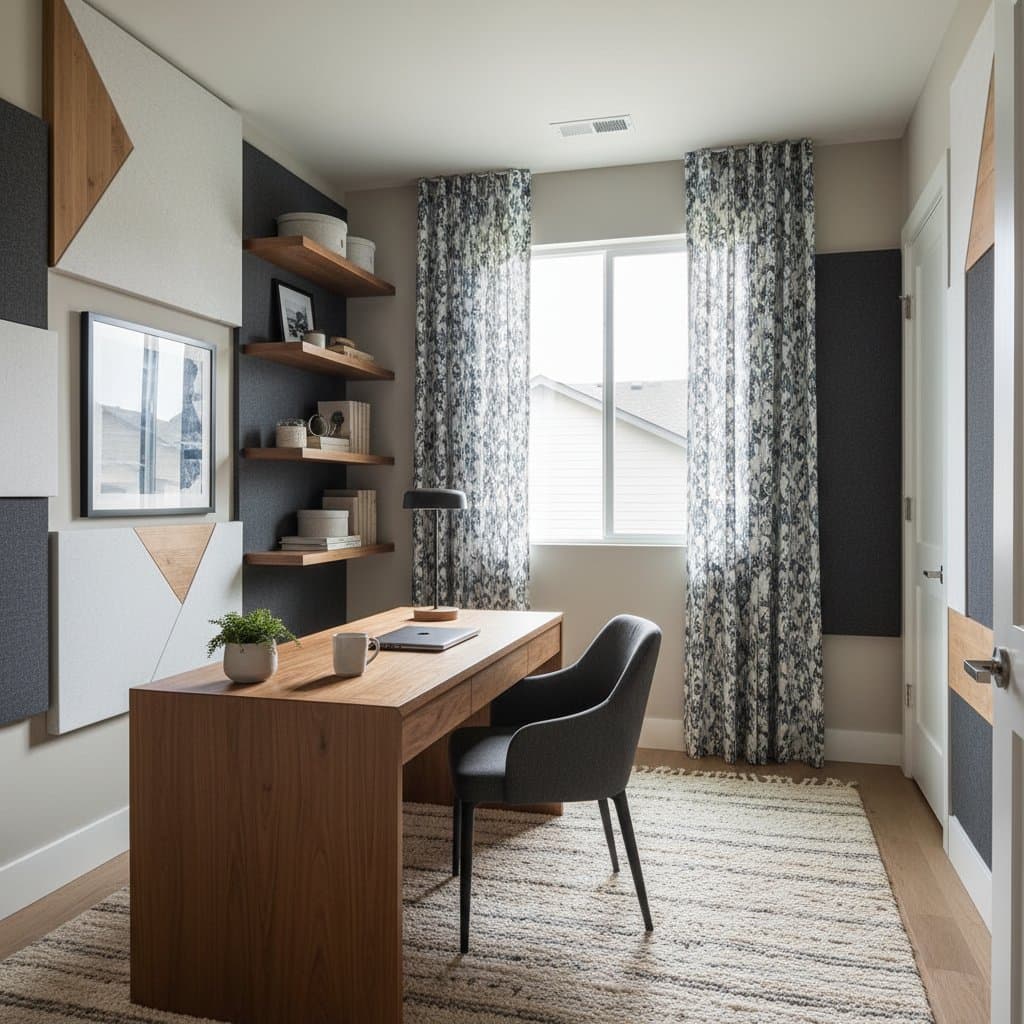
Fabricate panels using wooden frames, rigid insulation foam, and breathable fabric. Secure the fabric tautly over the foam-filled frame with staples or adhesive. Each panel costs approximately $15 to produce and mounts easily with removable hooks, blending functionality with decor.
Moderate Investment Soundproofing Options
With a modest budget increase, access materials that provide enhanced performance and durability.
1. Install Acoustic Foam Panels
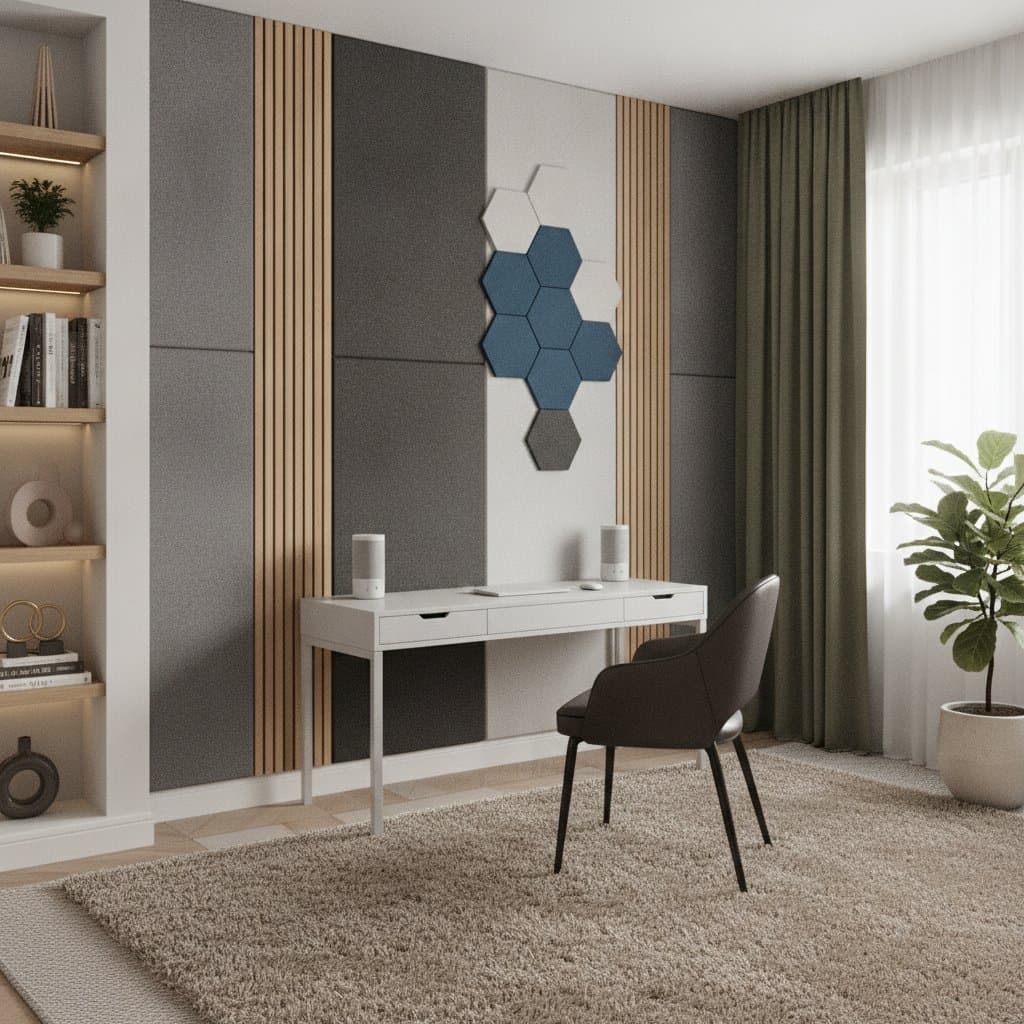
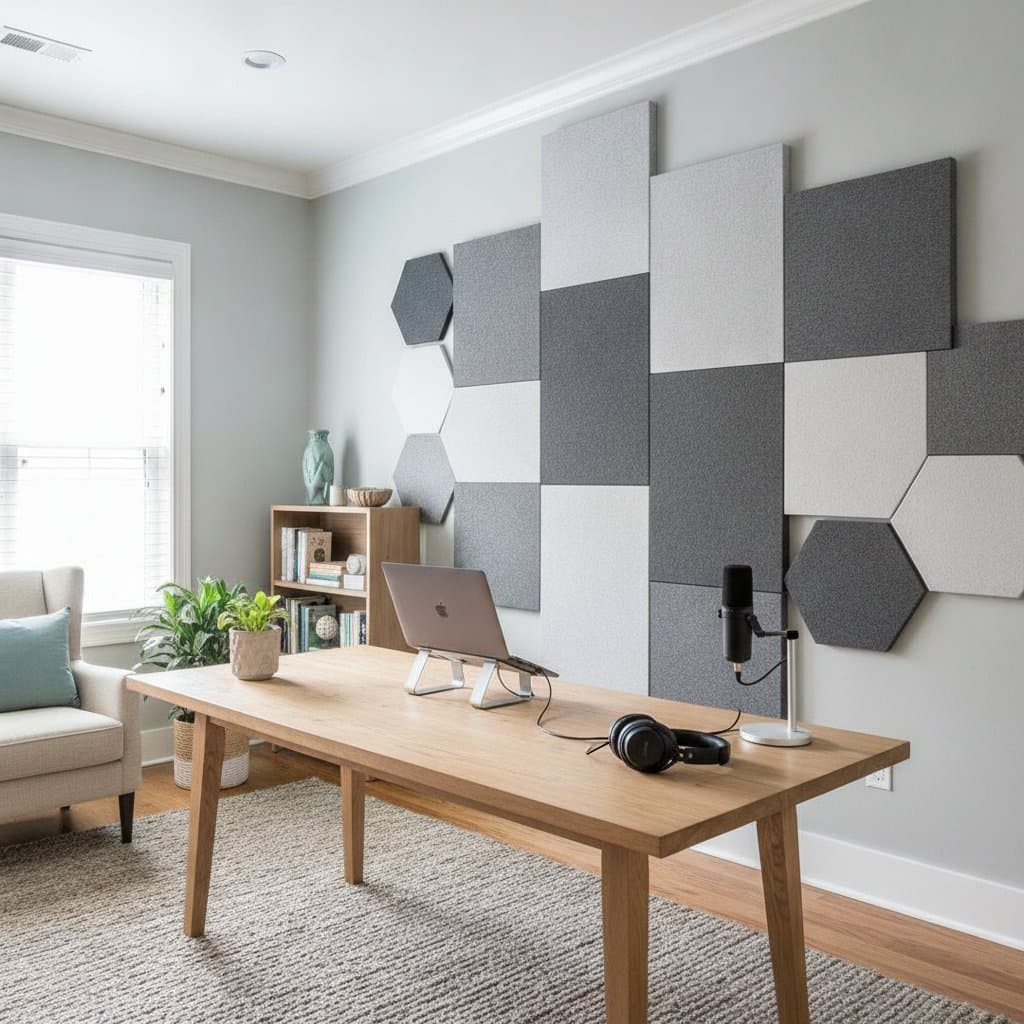
These panels adhere directly to walls or ceilings with adhesive strips. Select configurations such as interlocking hexagons for seamless coverage. A starter set priced at $100 covers a standard office wall, absorbing mid-to-high frequency sounds effectively.
2. Deploy Soundproof Curtains
Multilayered curtains with dense fabrics and insulating liners block external noise while regulating temperature. Measure window dimensions precisely for optimal fit. Prices range from $60 to $150 per panel, offering a versatile solution for various room sizes.
3. Apply Floor Underlayment
Footfall and subfloor vibrations transmit noise upward. Roll out specialized underlayment mats beneath carpeting or laminate flooring. This addition diminishes impact sounds by 20 to 30 decibels, ideal for multi-unit dwellings.
Advanced Soundproofing Techniques
For comprehensive noise isolation, consider professional-grade materials that achieve studio-quality results.
1. Integrate Mass Loaded Vinyl
This heavyweight vinyl sheet installs between wall studs or under flooring to impede low-frequency transmission. Cut to size and secure with fasteners for a barrier that attenuates sound by over 25 decibels. Installation requires basic tools, though professional assistance ensures precision.
2. Layer Drywall with Damping Compound
During renovations, apply two layers of drywall separated by a viscoelastic damping compound like Green Glue. The compound converts vibrational energy into heat, isolating sounds effectively. This method suits spaces requiring broadcast-level quietude.
3. Commission Bespoke Acoustic Elements
Custom panels incorporate artistic elements such as embedded images or textured surfaces. Collaborate with specialists to match room aesthetics while targeting specific frequencies. These installations elevate both acoustics and visual appeal in professional settings.
Optimizing Your Acoustic Environment
After implementing soundproofing measures, distractions diminish, allowing sustained concentration. Integrate complementary elements like potted plants, which further absorb ambient noise through their foliage. Reposition the workspace to orient away from primary noise sources for additional gains.
Implementing Soundproofing for Lasting Productivity
Commence with foundational changes and progressively refine the setup. These interventions foster a workspace that enhances efficiency and well-being. A thoughtfully soundproofed home office enables focused output and professional success.