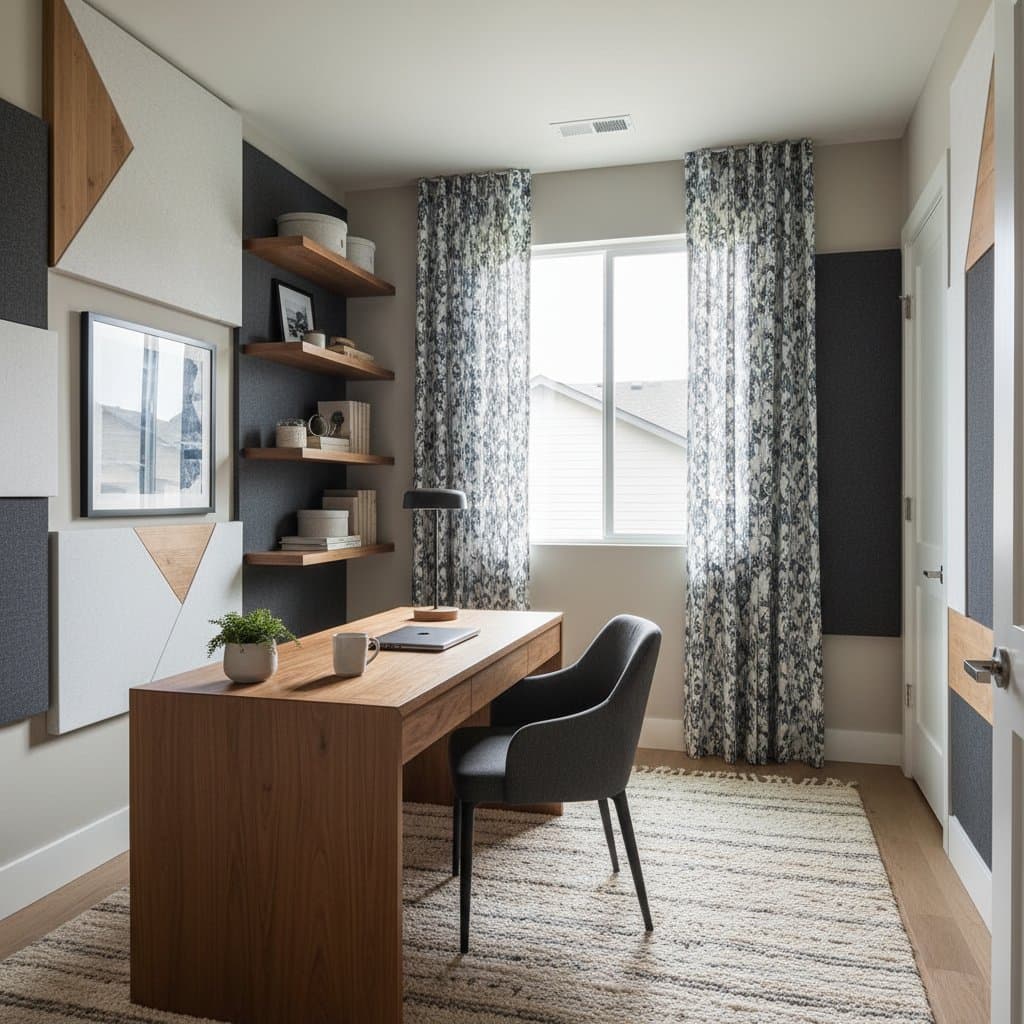
Establishing a Soundproof Home Office in a Spare Room
A spare room often remains underutilized, yet it holds potential as a dedicated workspace. Professionals and remote workers alike benefit from converting such spaces into quiet environments that promote sustained focus and efficiency. Drawing from experience in designing home offices for media productions and residential clients, this guide outlines practical steps to achieve professional-grade acoustics without extensive renovations.
Effective soundproofing transforms ordinary rooms into retreats where external noise fades, allowing ideas to flourish. The process involves assessing current acoustics, selecting appropriate materials, and implementing layered solutions. Begin with an evaluation of noise sources, such as traffic, household sounds, or neighboring activities, to prioritize interventions.
Essential Soundproofing Techniques on a Budget
Affordable modifications yield significant reductions in noise intrusion. These methods rely on basic principles of sound absorption and blocking, accessible to anyone with minimal tools and resources.
Start with sealing entry points to prevent sound leakage:
- Apply weatherstripping or acoustic caulk around door frames and window edges. These materials create airtight barriers that minimize drafts and auditory penetration.
- Position a dense draft stopper, such as a fabric-wrapped sandbag, along the door threshold for immediate, low-cost improvement.
Incorporate soft furnishings to dampen echoes:
- Install wall-to-wall carpeting or area rugs with thick underlays to absorb vibrations from footsteps and voices.
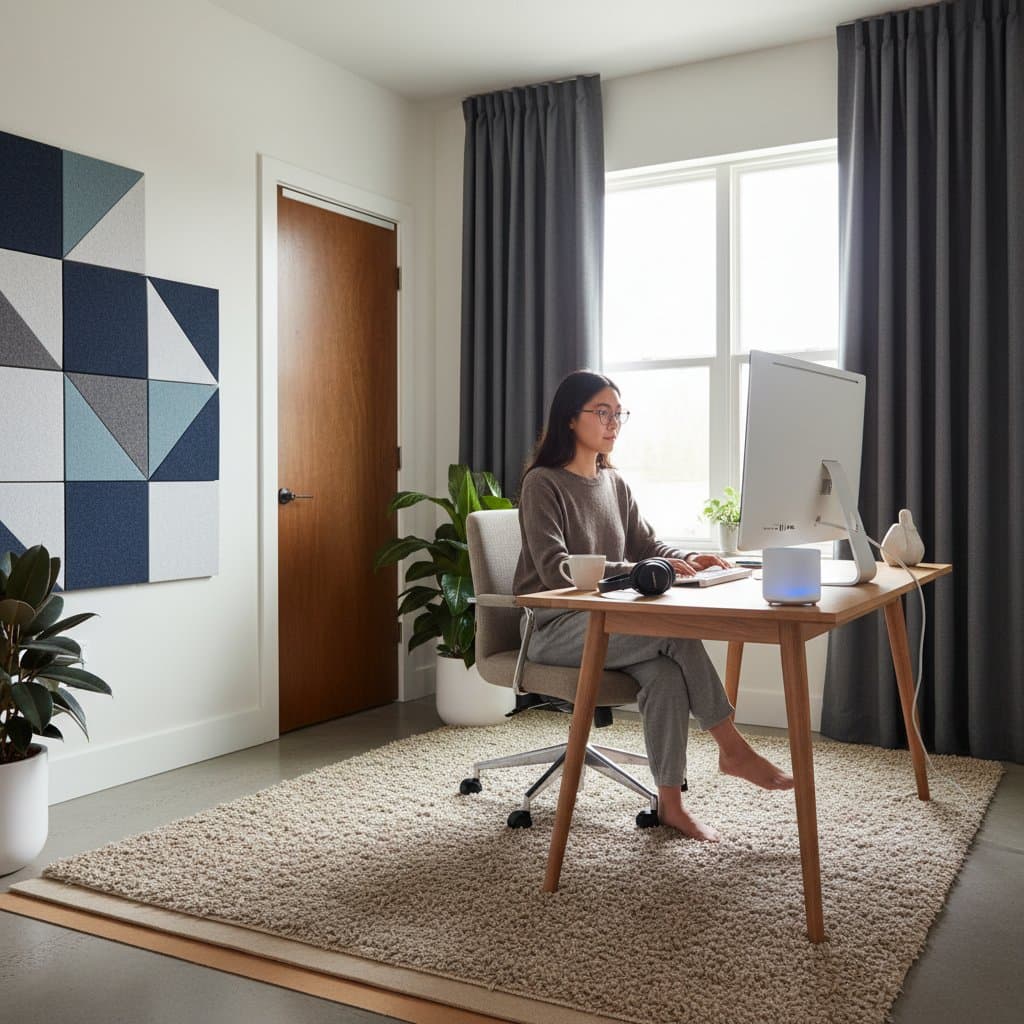
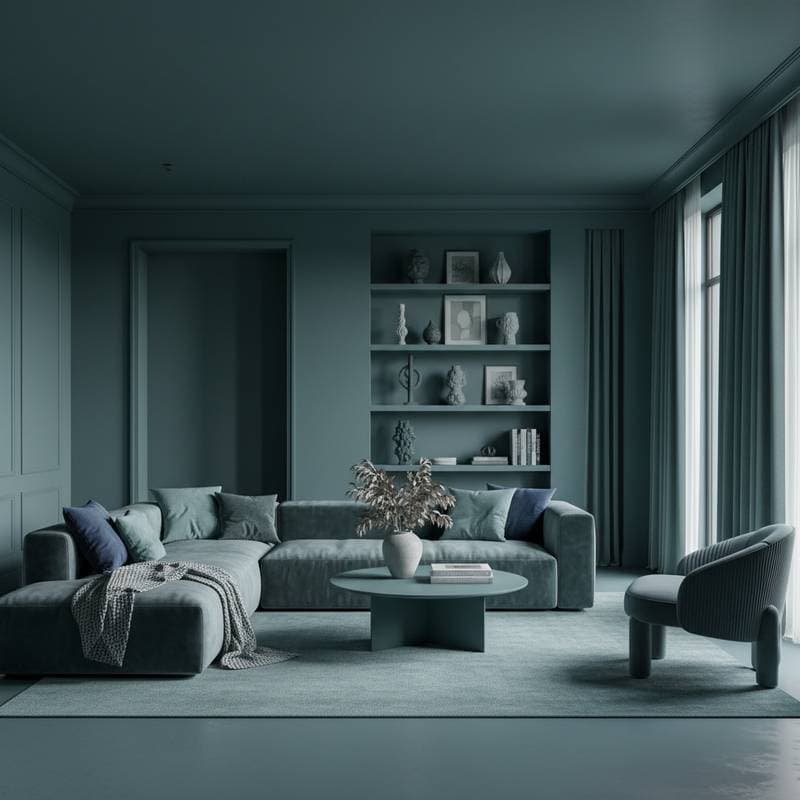
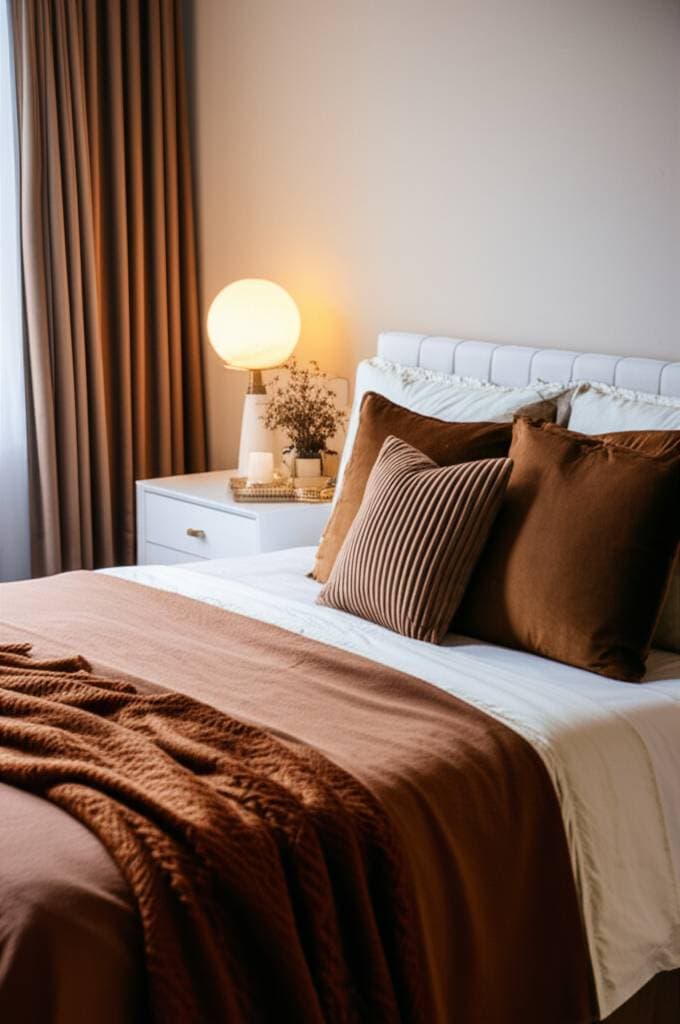
- Hang floor-length curtains made from heavy fabrics like velvet or wool, which trap sound waves effectively while adding visual warmth.
Strategic furniture placement enhances isolation:
- Align bookshelves or cabinets against walls shared with high-traffic areas. Fill shelves with dense items like books or vinyl records to increase mass and absorption.
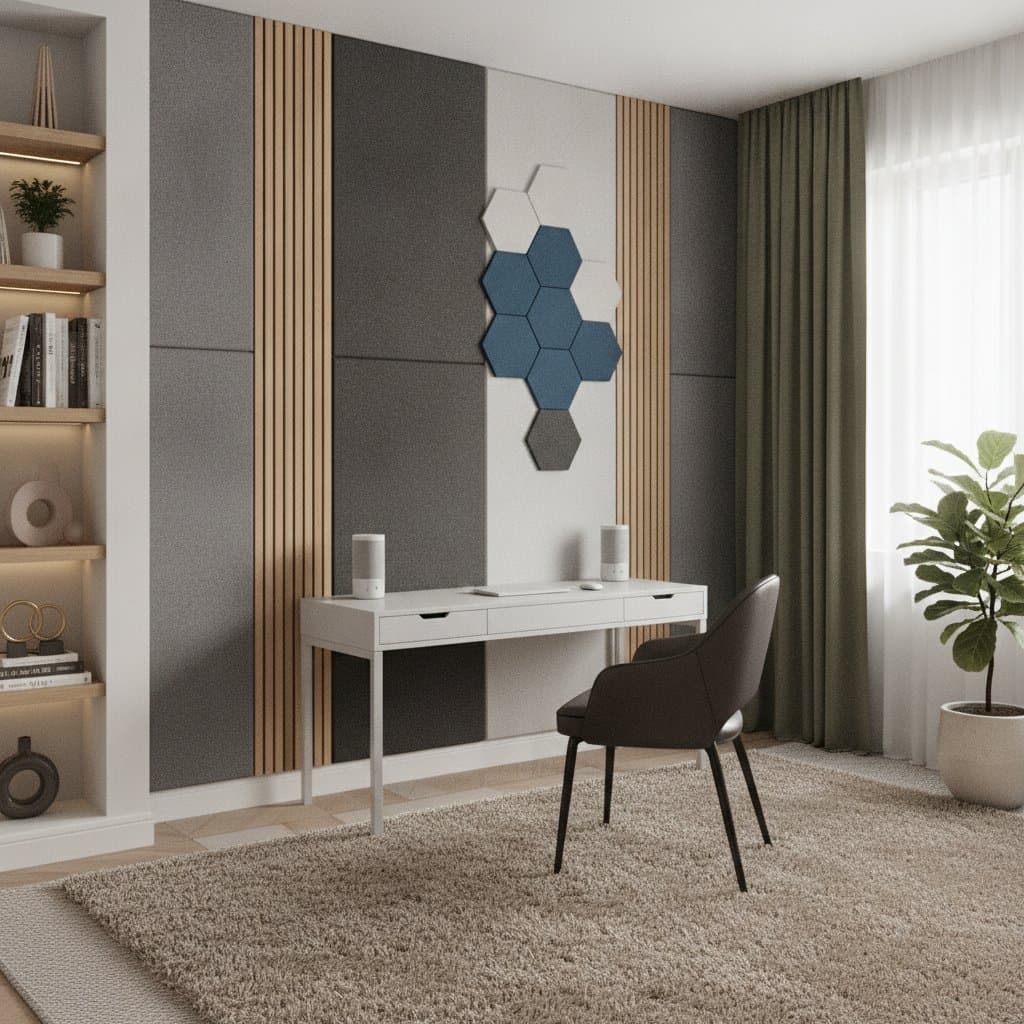
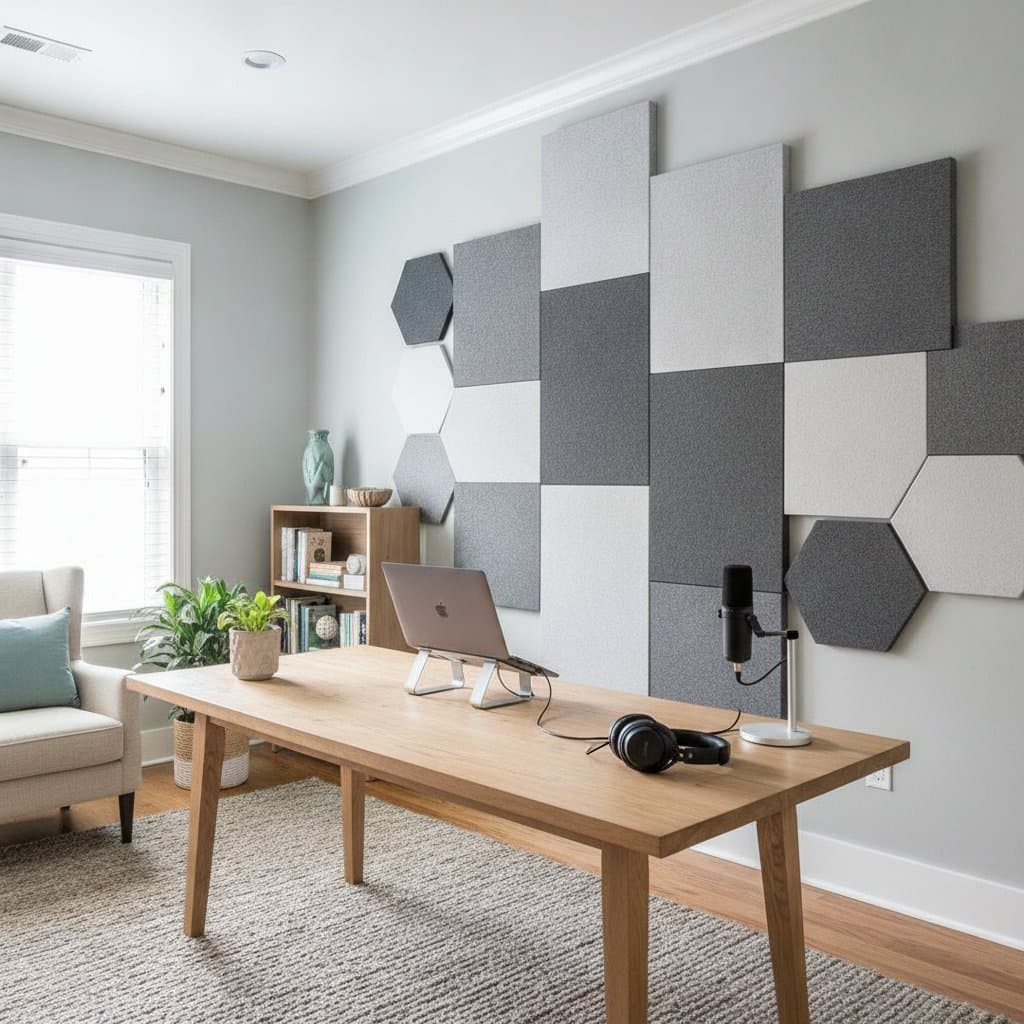
- Opt for upholstered seating and padded wall hangings to further soften reflections.
For a hands-on approach, construct DIY acoustic panels. Frame rigid insulation boards, such as rock wool, with wood molding and cover them in breathable fabric. Mount these panels on walls opposite sound sources; they reduce reverberation by up to 50 percent in small rooms.
Advanced Solutions for Superior Acoustic Control
Investments in specialized materials and construction elevate soundproofing to studio quality. These options suit users requiring absolute privacy, such as podcasters or video editors.
Structural Isolations
Decoupling surfaces interrupts sound transmission paths. Construct a double-stud wall with staggered studs and resilient channels to separate the interior from exterior structures. This technique isolates vibrations, reducing noise transfer by 40 to 60 decibels.
Floating floors provide similar benefits at ground level. Install a subfloor system with acoustic underlayment, such as rubber mats, beneath hardwood or laminate. Such setups prevent footfall noise from propagating upward.
Specialized Insulation and Barriers
Upgrade wall cavities with high-density insulators like mineral wool batts or fiberglass designed for acoustics. These materials excel at attenuating mid-to-high frequencies, ensuring conversations remain confidential.
Incorporate mass-loaded vinyl sheets during drywall installation. At approximately two to three dollars per square foot, this thin, flexible barrier adds substantial weight to walls, blocking low-frequency sounds like bass or machinery hums. Layer it between drywall sheets for optimal performance.
Window and Door Enhancements
Address external noise through upgraded glazing. Install double- or triple-pane windows with laminated acoustic glass, which incorporates a sound-dampening interlayer. Pair these with cellular shades or blackout liners to amplify insulation, potentially cutting street noise by 30 decibels.
For doors, add a solid-core replacement if the existing one is hollow. Seal with perimeter gaskets and consider a secondary acoustic door for high-stakes applications.
Integrating Storage for Dual-Purpose Sound Management
Storage solutions contribute to both organization and noise reduction. Select pieces that inherently absorb or block sound, turning necessities into assets.
- Install floor-to-ceiling bookcases along perimeter walls. Load them with varied densities of contents to create an irregular surface that scatters sound waves.
- Build custom cabinetry with internal acoustic foam or fiberglass backing. This configuration maintains a sleek appearance while enhancing barrier properties.
- Repurpose built-in closets as enclosed booths. Line interiors with interlocking foam tiles or quilted fabric panels, ideal for private calls or focused tasks.
These elements streamline the room's layout, ensuring accessibility without compromising acoustic integrity. Measure spaces precisely to maximize coverage and avoid clutter.
Enhancing Professionalism and Opportunities
A well-soundproofed office projects competence during virtual interactions. Clear audio in meetings or recordings builds trust and elevates perceived expertise. For content creators, treated spaces eliminate post-production edits, saving time and resources.
Consider the broader implications for career growth. Remote professionals gain a competitive edge through environments that support extended sessions without fatigue. This setup also facilitates side ventures, such as offering acoustic design services to local networks seeking similar improvements.
Sustaining and Refining Your Workspace
After implementation, monitor the space's performance with simple tests, like playing audio and noting clarity from adjacent rooms. Adjust elements seasonally; for instance, denser curtains in winter provide added thermal benefits alongside sound control.
Regular maintenance preserves efficacy. Vacuum soft surfaces quarterly to remove dust that diminishes absorption, and inspect seals for wear. These habits ensure the office remains a reliable productivity hub.
Ultimately, this transformation yields a versatile area that adapts to evolving needs. Users report heightened concentration and reduced stress, underscoring the value of intentional design. Invest effort here to cultivate a foundation for long-term success.