AI Paint Technology Transforms Home Color Selection
Homeowners undertaking a repaint face a significant challenge in selecting the ideal color. Traditional methods, such as paint swatches or online previews, often fail to reflect real-world results due to variations in lighting and surfaces. This uncertainty frequently delays projects and increases expenses. Artificial intelligence now addresses these issues by providing precise tools for color decision-making and application.
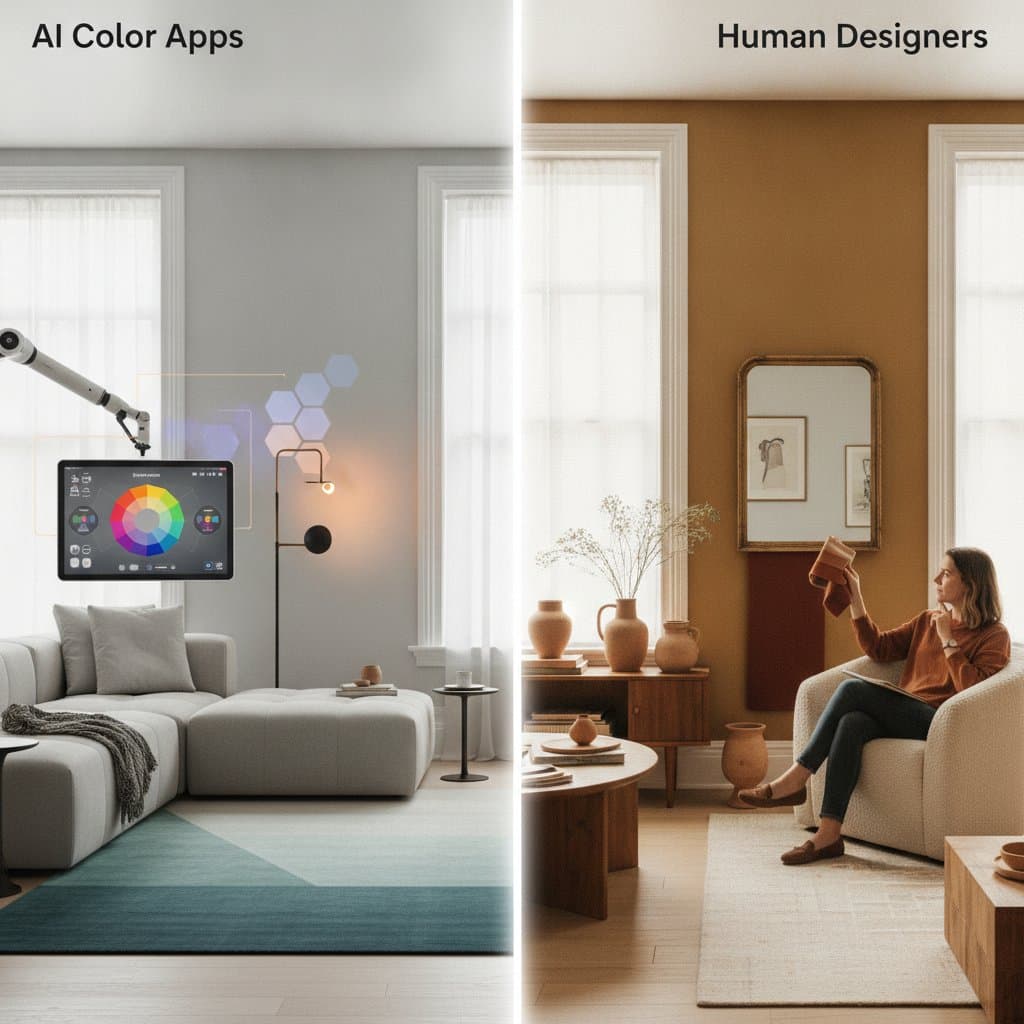
Experts in the field observe that AI paint technology streamlines consultations, enhances precision, and cuts down on rework. Homeowners benefit from clear insights into tool capabilities and limitations, ensuring effective use. This innovation combines advanced algorithms with practical design knowledge to facilitate seamless interior updates.
Challenges in Traditional Color Selection
Prior to AI integration, color selection resembled a gamble. Store swatches viewed under fluorescent lights seldom matched wall applications. Online simulations varied with device settings, leading to discrepancies between digital views and physical outcomes. Professionals encountered difficulties in forecasting appearances without extensive sampling.
Such unpredictability resulted in frequent repaints, excess paint usage, and project dissatisfaction. Data from industry surveys indicate that over 50 percent of repaint demands arise from color mismatches, not application errors. AI tools now mitigate these inefficiencies, promoting cost-effective outcomes.
Mechanics of AI Paint Tools
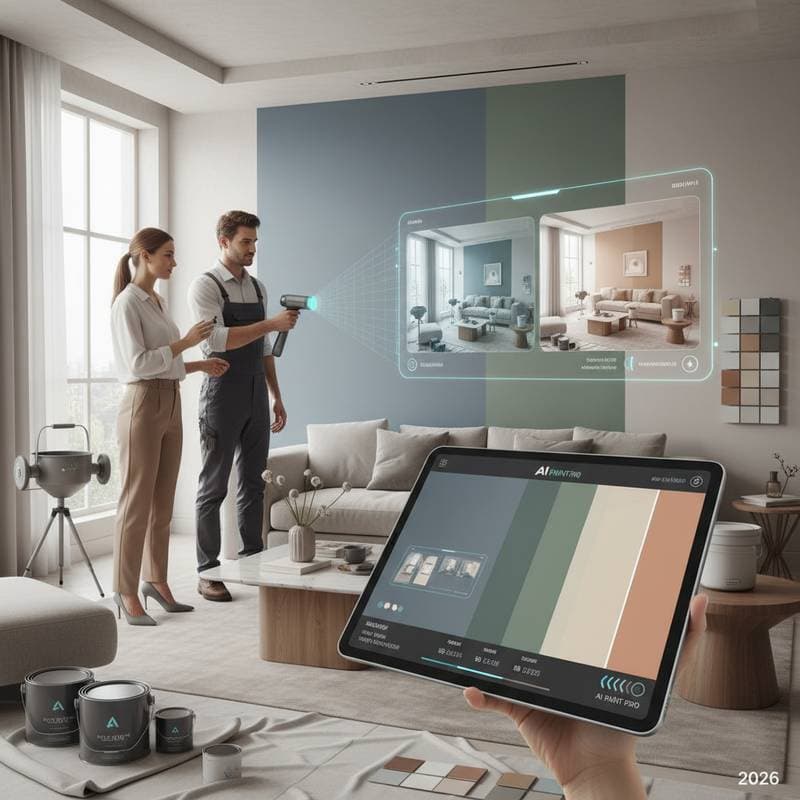
AI paint technology employs image recognition and color theory to assess spatial dynamics, including light interaction, material properties, and decor elements. The workflow typically comprises three core phases:
-
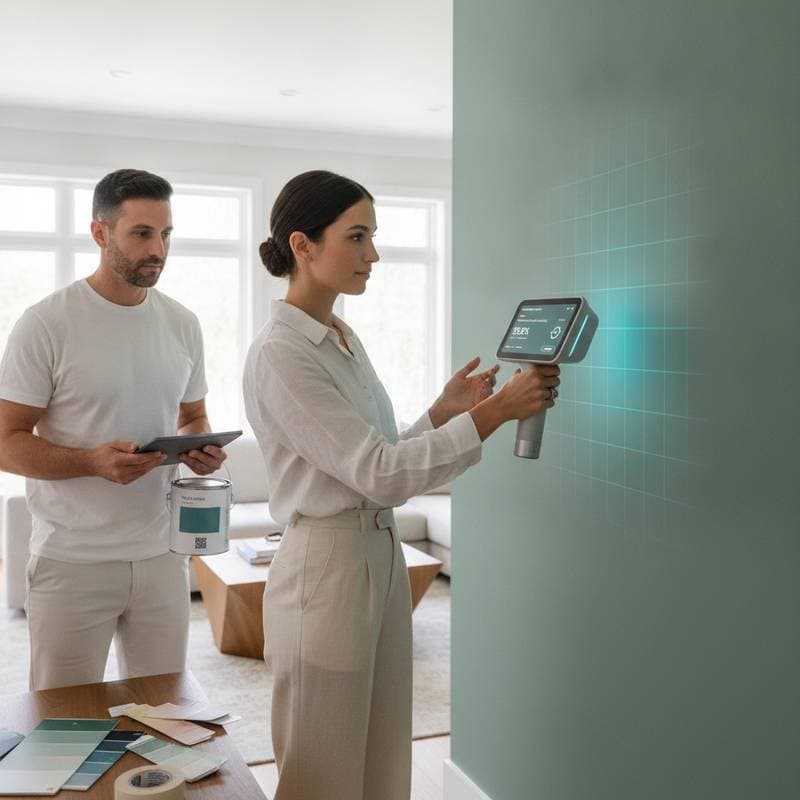
Room Scanning
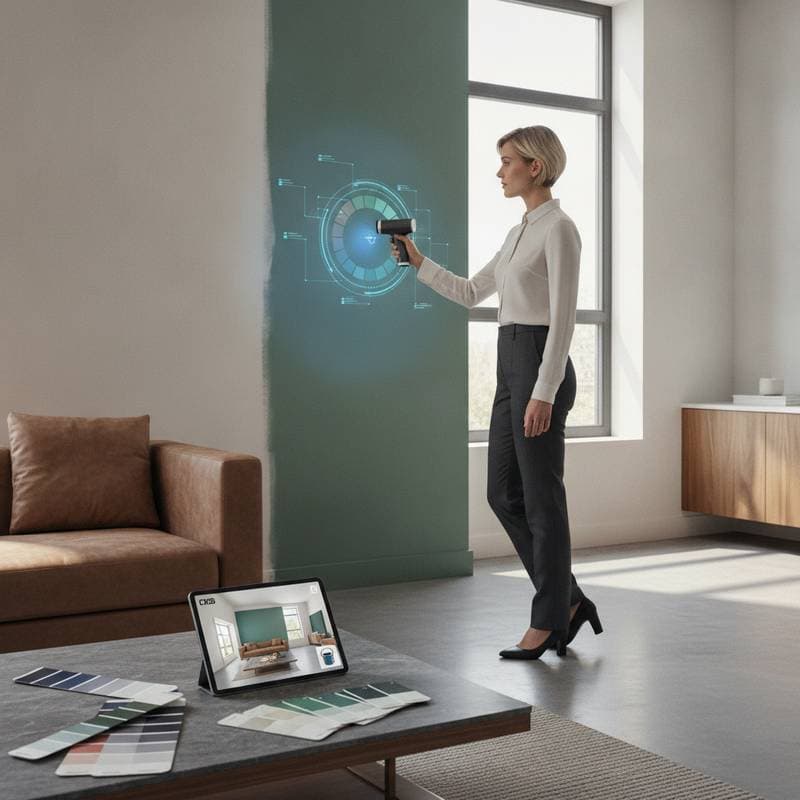
Users upload images via apps or desktop software. The AI evaluates room dimensions, illumination, and current hues, detecting elements like glossy surfaces or shadow patterns that alter paint perception. -
Color Recommendation and Visualization
Algorithms propose harmonious shades or custom mixes, drawing from uploaded references such as textiles or fixtures. Simulations account for varied lighting scenarios, delivering lifelike renders that surpass basic overlays. -
Product Recommendations and Usage Instructions
Integration with supplier catalogs yields suggestions for paints, sheens, and undercoats matched to substrates. Quantity calculators factor in area measurements to optimize purchases and reduce surplus.
Field applications demonstrate high fidelity, with simulations aligning closely to final results. This reliability marks a substantial advancement from earlier manual approaches.
Key Advantages for Homeowners
AI paint tools address common obstacles in renovation projects. The primary gains include:
-
Reduced Errors in Color Selection
Realistic previews allow commitment without risk, averting repaints that inflate budgets by hundreds of dollars. -
Efficiency in Planning
Iterative sampling sessions condense into single virtual reviews, maintaining timelines. -
Enhanced Collaboration
Shared visuals replace ambiguous verbal cues, aligning expectations among stakeholders. -
Optimized Resource Allocation
Precise estimators prevent overordering, curbing waste and storage needs. -
Increased Assurance
Informed choices foster satisfaction, streamlining approvals and resolutions.
Insights from Professional Applications
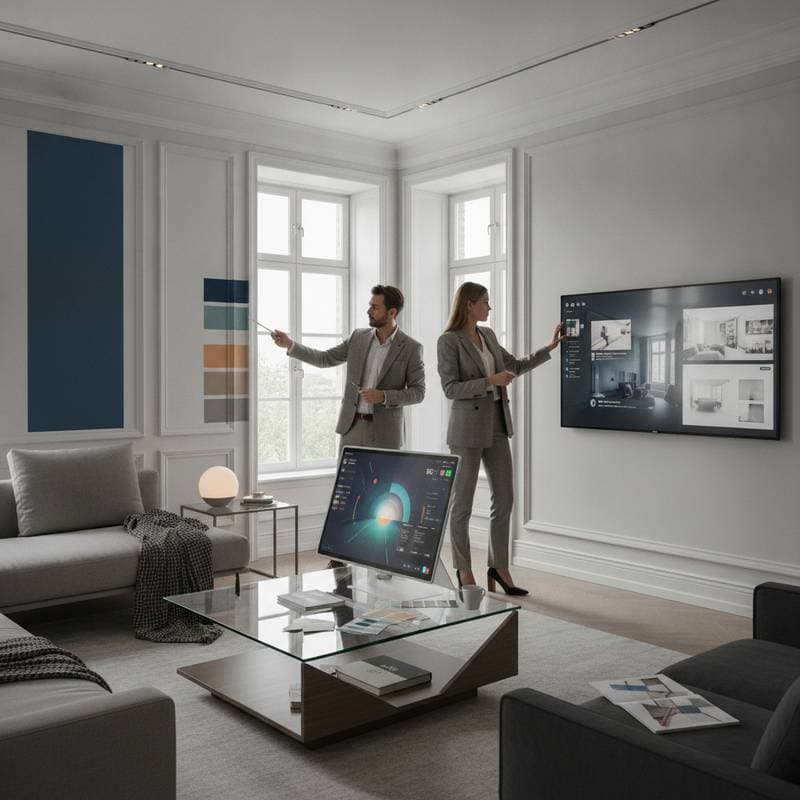
Contractors leverage AI tools to refine estimates and accelerate workflows. Initial meetings feature comparative visuals, establishing credibility and alignment. These systems support detailed proposals with verifiable outputs.
Limitations persist, however. Inaccurate image inputs or complex lighting can distort analyses; midday natural light captures prove optimal. Texture variations, such as between flat and glossy finishes, require supplemental testing. Professionals advocate combining AI outputs with on-site samples for comprehensive validation.
Strategies to Prevent Errors
Preparation remains essential alongside technology. Essential precautions encompass:
-
Assess Lighting Realistically
Evaluate shades under intended conditions, as bulbs alter tones significantly. -
Capture Superior Imagery
Employ sharp, multi-angle photos incorporating adjacent features for context. -
Confirm Specifications
Verify codes across brands to ensure compatibility in procurement. -
Apply Test Patches
Validate textures and sheens through physical trials prior to full coverage. -
Maintain Records
Archive simulations, formulas, and agreements to safeguard against conflicts.
Adherence to these practices maximizes tool effectiveness.
Implications for Projects and Protections
AI documentation strengthens contractual clarity, embedding selections into scopes to preempt appearance disputes. Contractors incorporate renderings as benchmarks, fostering mutual understanding.
Operationally, reduced testing accelerates throughput, lowering labor demands and timelines for clients. Emerging policies accept digital proofs for claims, enhancing accountability.
Future Developments in AI Paint Systems
Advancements incorporate climate variables, such as moisture levels and UV exposure, to forecast longevity and interactions. Compatibility with home automation enables dynamic lighting adjustments.
Early adoption positions professionals advantageously, while informed users secure superior results with minimal outlay.
Steps to Implement AI Tools at Home
Begin by selecting a reputable app compatible with preferred paint brands. Scan your space during optimal light, then explore simulations iteratively. Consult professionals for hybrid verification, ensuring your vision materializes efficiently and accurately.